

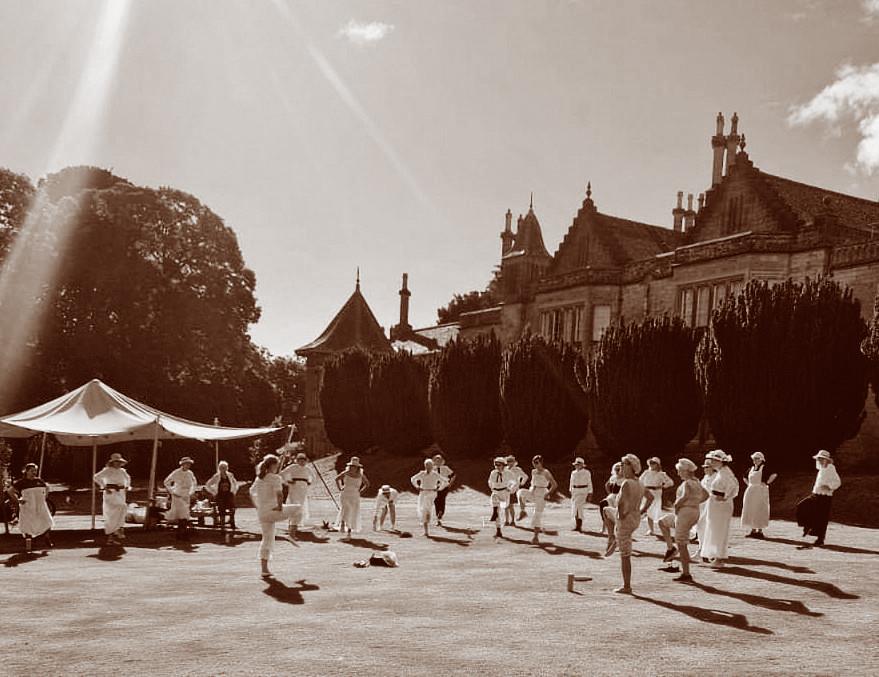
In honour of Mr and Mrs Reid, who gifted their home, Lauriston Castle, to the nation 100 years ago for everyone to enjoy, explore, learn from and create lasting memories — a beautiful place that Fit2Shine is proud to call our outdoor home gym.
When we think of Victorian women, exercise might not be the first thing that comes to mind. We are more likely to picture long dresses, corsets, elegant afternoon teas and very formal behaviour.
But women did exercise during the Victorian era (1837–1901) – and some of their workouts may look surprisingly familiar.
Long before modern gyms, fitness apps and HIIT classes, women practised calisthenics, walking, dancing, balancing exercises and carefully controlled strength and mobility movements. As the century progressed, activities such as cycling, swimming, tennis and other sports also became increasingly popular with women.
Here are 3 more surprising Victorian exercise facts:
- Sweating was considered very “unladylike.”
Victorian women were generally encouraged to exercise gently and avoid becoming flushed, breathless or visibly sweaty. Female calisthenics focused more on controlled, graceful movement than working to exhaustion. - Doctors once warned that vigorous exercise could damage a woman’s reproductive health.
There was a widespread belief that women had limited physical energy and that strenuous exercise might interfere with menstruation, fertility or childbirth. These ideas helped restrict women’s participation in competitive sport. - Some women exercised wearing corsets!
Victorian women could perform calisthenics while still wearing corseted clothing, although exercise dress gradually became more practical later in the century. Imagine doing arm swings, bends and squats with your waist tightly restricted!
Calisthenics – the Victorian Workout
The word calisthenics had a slightly different meaning from the way we often use it today.
Rather than pull-ups, muscle-ups and demanding bodyweight workouts, Victorian calisthenics generally involved controlled, repeated movements performed while standing, often following an instructor's commands or moving in time with music.
Exercises could include:
- arm raises and arm circles
- shoulder and elbow movements
- side bends
- marching on the spot
- heel raises
- coordinated arm and leg movements
- balance exercises
- gentle knee and leg bends
- posture exercises
- stretching and mobility work
Period instructions even describe women exercising together in organised rows while an instructor counted or called out movements. Music was sometimes used to help maintain rhythm and coordination.
Posture Was Very Important
One of the biggest goals of Victorian women's exercise was what they called good carriage – essentially standing, walking and moving with an upright posture.
Exercises frequently focused on the shoulders, chest, upper back and arms. Victorian exercise instructions described movements intended to encourage an upright position and address rounded shoulders.
Today we might describe some of these movements as postural awareness, shoulder mobility and upper-body control.
The reasons behind exercise were not always the same as ours. Victorian ideas about women's bodies were strongly influenced by the social expectations of the time. Exercise was often promoted as a way of developing health, grace, discipline and a particular ideal of feminine posture rather than encouraging women to become visibly muscular or highly athletic.
They Used Equipment Too
Victorian exercise wasn't necessarily equipment-free.
Light dumbbells
Small hand weights were used during arm movements and sometimes while marching. Historical exercise illustrations show pupils holding weights out to the sides and overhead while moving in rhythm.
Sound familiar?
We might now call that light resistance training combined with coordination and cardiovascular movement.
Indian clubs
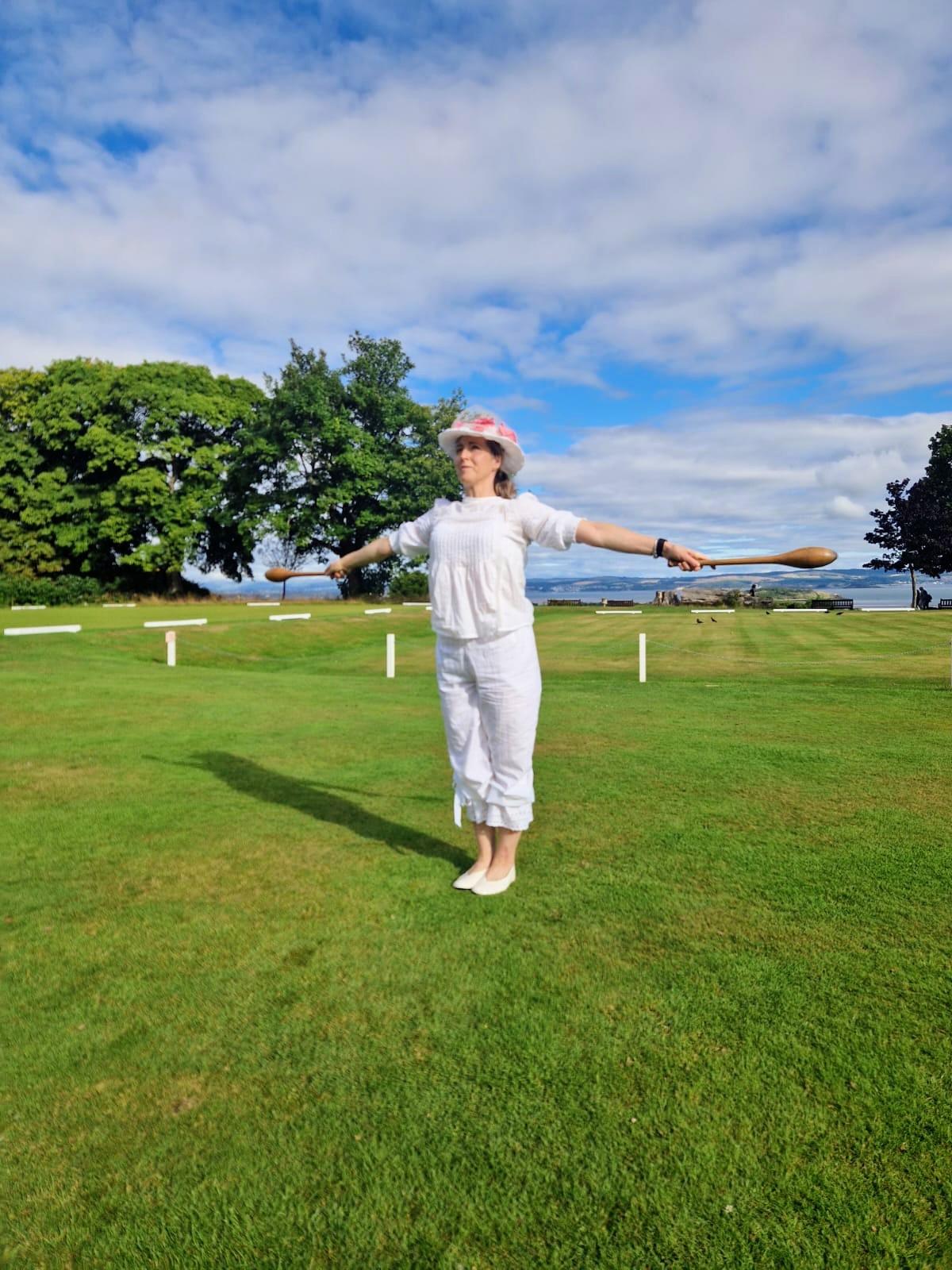
Indian clubs became another popular piece of physical-training equipment. They were shaped rather like elongated wooden juggling clubs and were swung through circular patterns around the body.
Women also practised club exercises, using flowing movements that challenged the shoulders, arms, upper back, coordination and mobility.
Wands and canes
Light wooden wands or canes were also incorporated into some calisthenic routines. Holding a stick with both hands allowed women to practise coordinated arm movements, shoulder mobility and controlled movement through different positions.
We still use a very similar idea today when performing mobility exercises with a broomstick, dowel or resistance band.
Exercise Was Often Done to Music
This is another connection with today's group fitness classes.
Victorian calisthenics could be performed using counting, commands and music, helping groups move together and maintain rhythm. Historical instructions specifically describe pupils standing at regular intervals where they could clearly see their instructor.
So although there was no Bluetooth speaker and certainly no Spotify playlist, the idea of an instructor standing at the front while everyone follows the movements isn't particularly new!
Balance, Coordination and Mobility
Victorian exercise wasn't necessarily about how many calories could be burned.
Many movements required people to:
balance, coordinate their arms and legs, move their joints through different ranges, maintain posture and control their bodies.
These are all abilities we continue to value today – particularly as we get older.
Modern fitness science has changed enormously, but the basic principle remains:
our bodies benefit from moving in many different ways.
From Calisthenics to Sport
Opportunities for women to exercise expanded considerably during the nineteenth century.
Walking, dancing and horse riding were long considered more socially acceptable forms of activity for women, particularly those from wealthier families. Calisthenics then offered another structured way to exercise.
Later in the century, more women became involved in activities including tennis, swimming, cycling, golf, hockey and fencing, helping to gradually challenge the idea that women should avoid vigorous physical activity.
This growing physical-culture movement also helped create more space for girls' and women's physical education.
Victorian Fitness vs Modern Women's Training
There are certainly parts of Victorian exercise we wouldn't want to recreate exactly.
Women often exercised in restrictive clothing, and beliefs about women's physical capabilities were shaped by attitudes that we now know were inaccurate. Exercise opportunities also differed enormously depending on social class and access to leisure time.
Today we understand far more about the importance of progressive strength training, cardiovascular fitness, bone loading, power, mobility, balance, recovery and appropriate nutrition for women throughout life.
But some elements of Victorian physical culture have stood the test of time:
Move regularly.
Use your whole body.
Work on posture.
Maintain mobility.
Challenge your balance.
Practise coordination.
Add some resistance.
Walk whenever you can.
And sometimes… exercise together simply because it is fun.
Perhaps They Were Onto Something
Our workouts may have changed dramatically over the last 150 years, but human bodies haven't.
We still need to bend, reach, rotate, balance, carry, walk, strengthen our muscles and regularly move our joints.
So next time you perform an arm circle, heel raise, balance exercise, mobility drill or march to music during a Fit2Shine class, remember:
a group of Victorian ladies may have been doing something surprisingly similar more than a century ago – although probably in a much longer skirt!
And thankfully, we can do ours in leggings and comfy t-shirts.
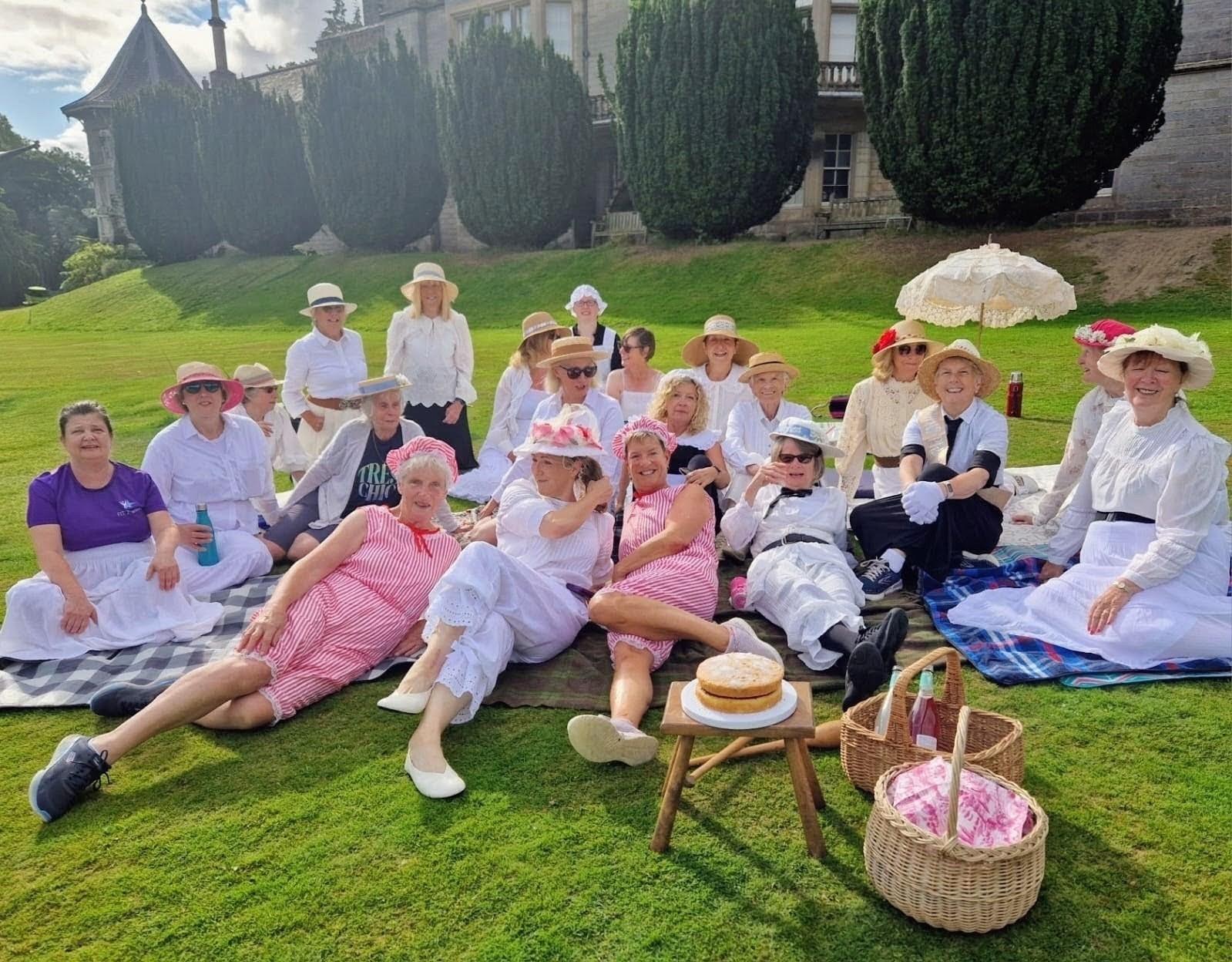
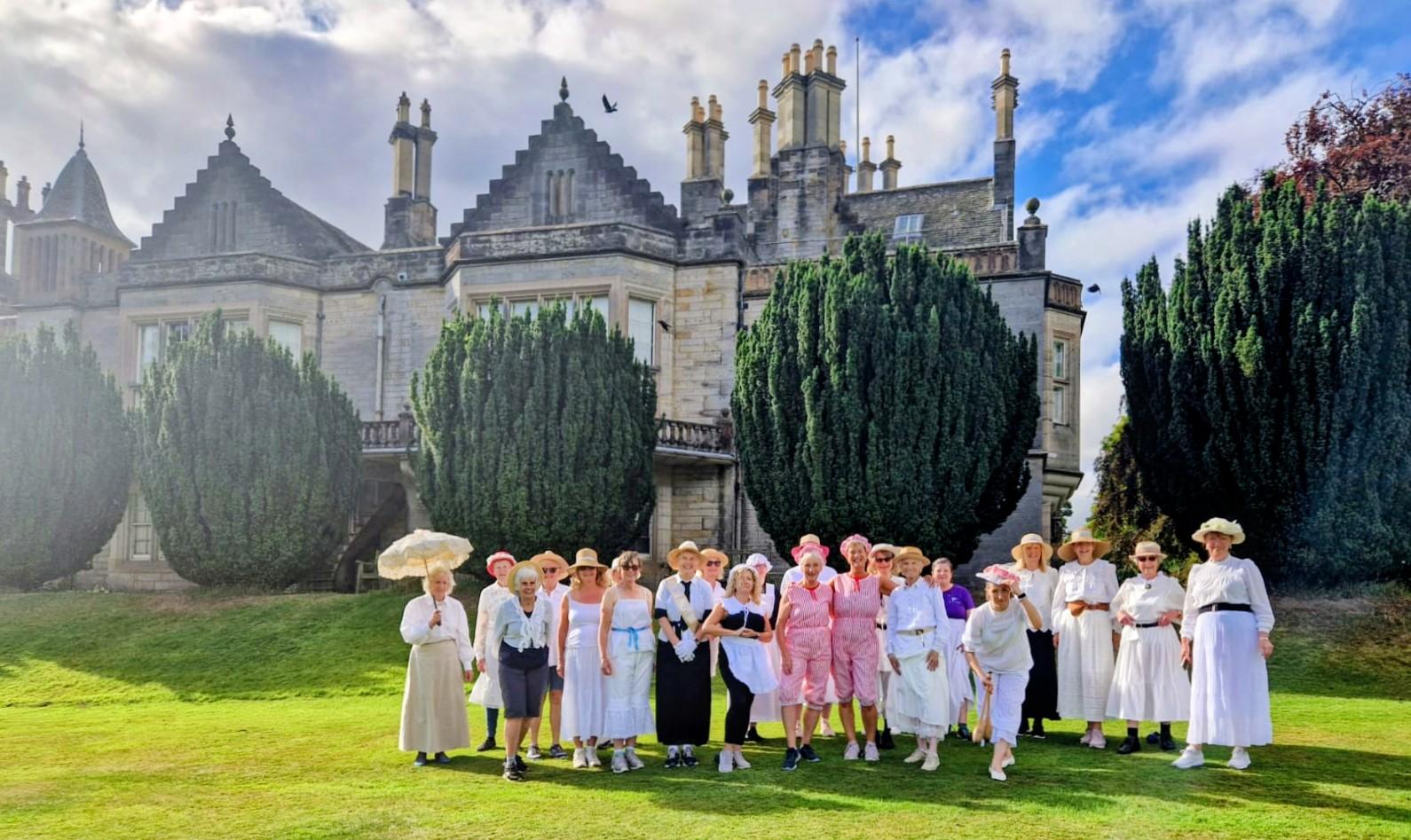
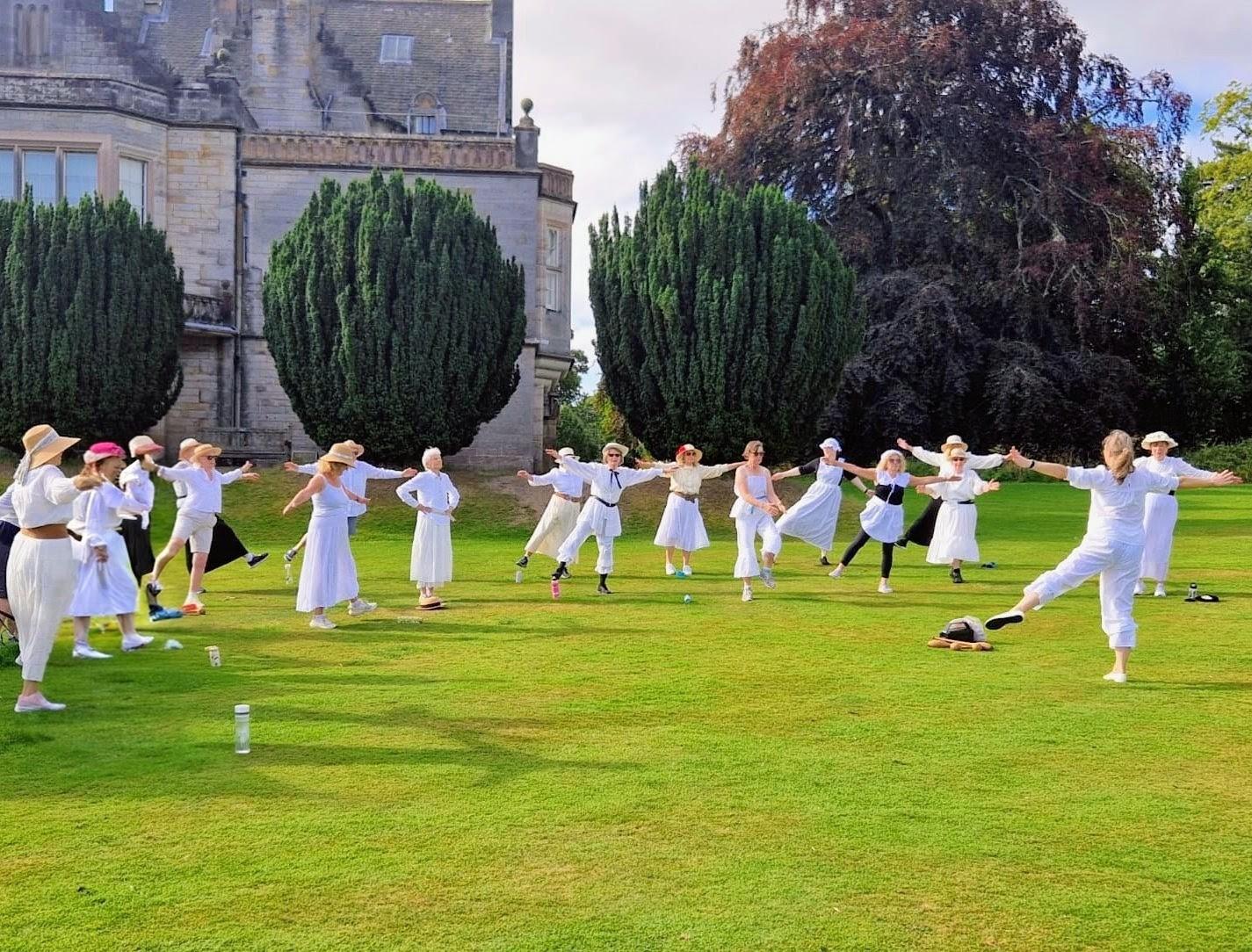
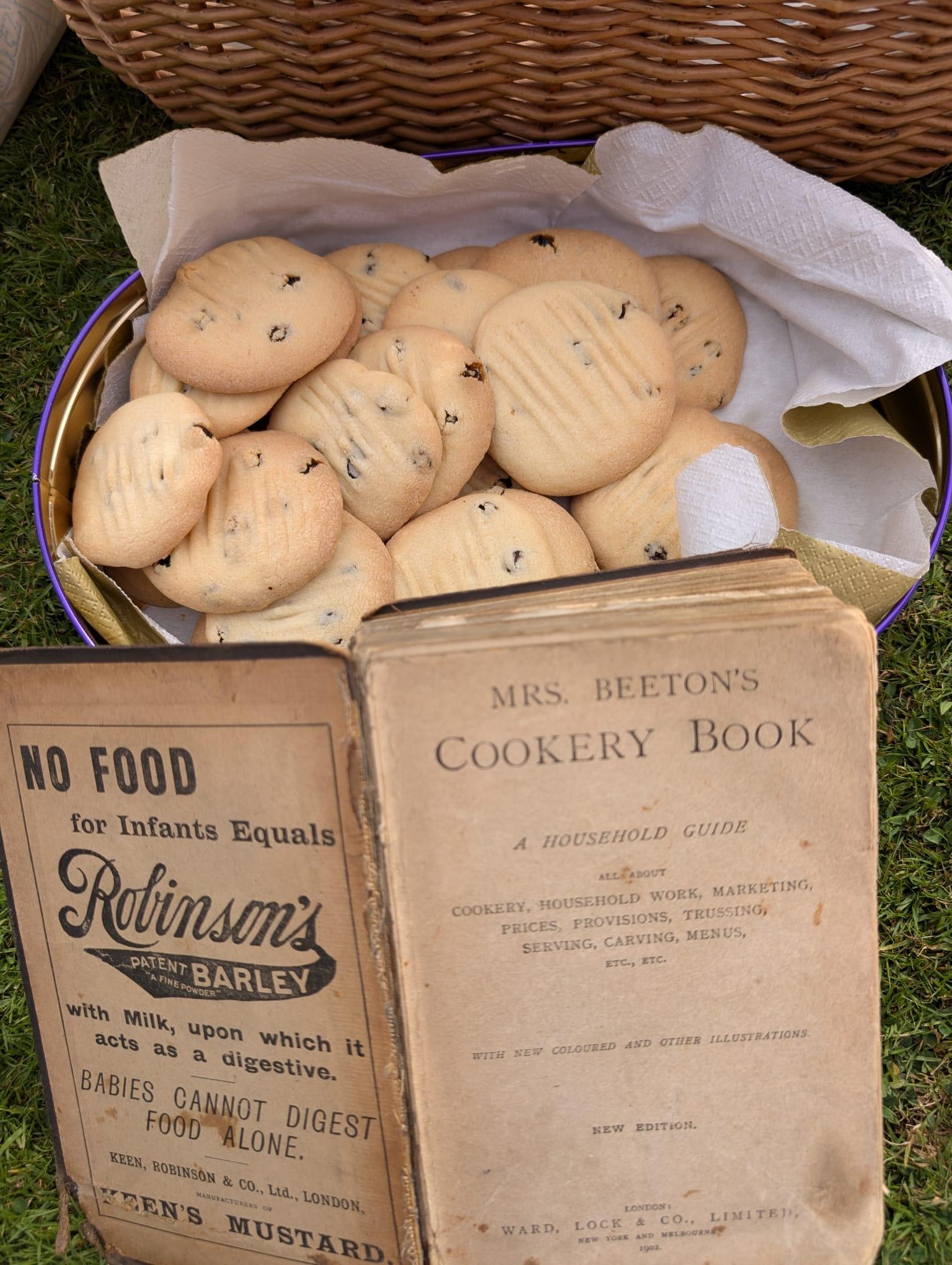
Exercise, good friends and fun – what more could you want. JKM