

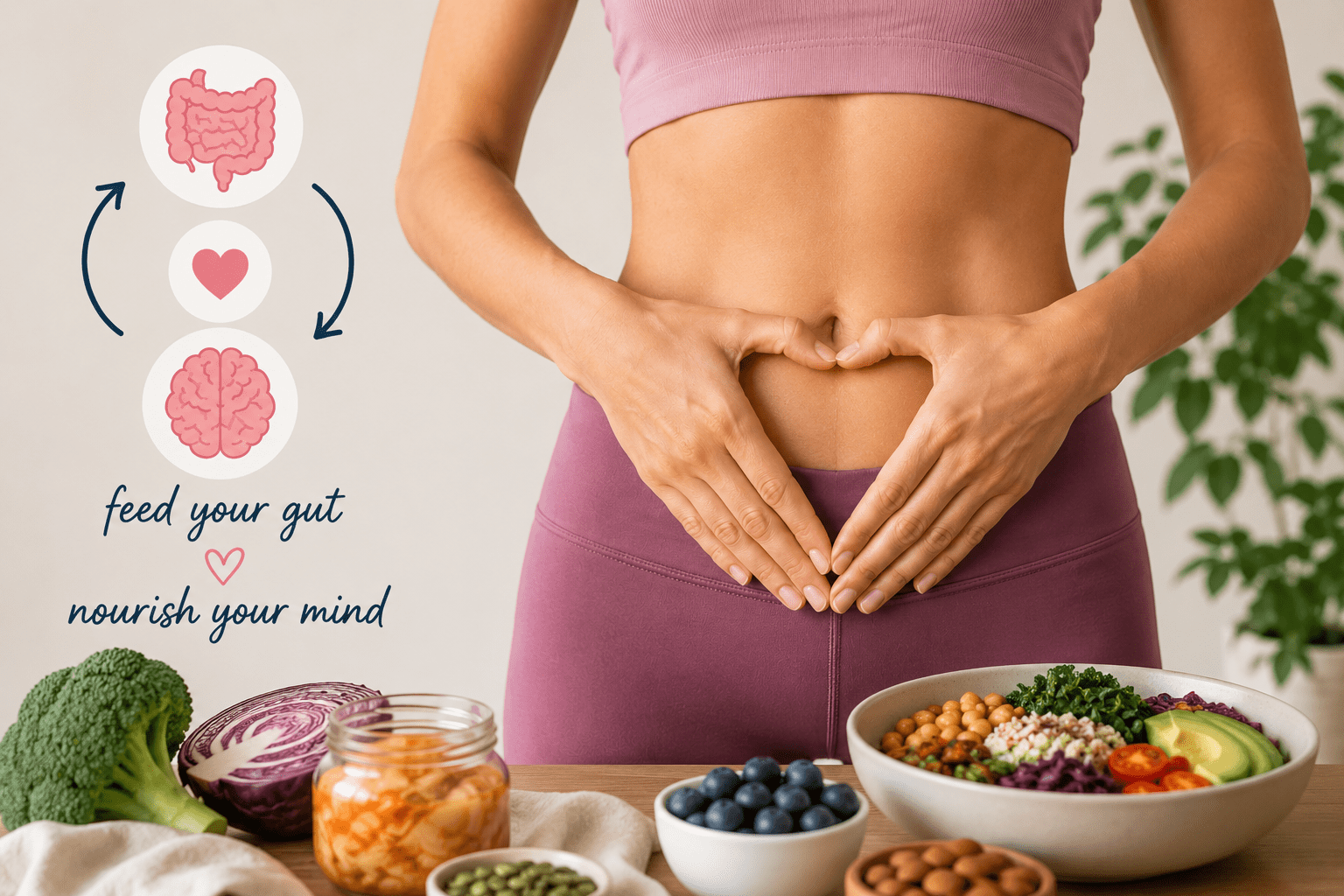
Have you ever had "butterflies" in your stomach before an important event or noticed digestive issues during stressful times? This is because your gut and brain are closely connected through what scientists call the gut-brain axis.
Your gut does much more than digest food. It influences your mood, energy, immune system, sleep quality and overall wellbeing. Inside your digestive tract live trillions of microorganisms known as the gut microbiome. A healthy and diverse microbiome helps digest food, produce nutrients, support immunity, reduce inflammation and even influence mental health. In fact, around 90% of the body's serotonin (the "feel-good" neurotransmitter) is produced in the gut.
Stress and Your Gut
When you're stressed, your body enters a fight-or-flight state, which can:
- Slow digestion
- Disrupt healthy gut bacteria
- Increase inflammation
- Affect nutrient absorption
- Trigger cravings for sugary and processed foods
An unhealthy gut can also send signals back to the brain, affecting mood, focus and stress levels.
Signs Your Gut May Need Support
- Bloating
- Wind
- Constipation or diarrhoea
- Food sensitivities
- Low energy
- Poor sleep
- Brain fog
- Frequent illness
Simple Ways to Improve Gut Health
Eat More Whole Plant Food
Aim for a wide variety of vegetables, fruits, beans, lentils, nuts, seeds and whole grains. A great goal is 30 different plant foods each week. Challenge yourself for a week or more. See our next article. And remember balance over overload. Meaning, gut health is about diversity and moderation, not piling on every superfood; too much of these will cause bloating, gas, or discomfort.
Include Fibre Daily
Fibre feeds beneficial gut bacteria, but the type and ratio are key. Aim for roughly 60% soluble fibre - dissolves in water to form a gel-like substance. Think oats, cooked root veg, ground flaxseed (linseed), cooked apples and avocado. It feeds your gut bacteria and helps regulate bowel movements. And 40% insoluble fibre - adds bulk to your stool and speeds up transit. Think whole grains, nuts, seeds, broccoli, kale, legumes and leafy vegetables to support healthy gut transit without overwhelming your system.
Enjoy Fermented Foods
Natural yoghurt, kefir, sauerkraut, kimchi and miso are great. They introduce live microbes to your gut - but they shouldn’t dominate your diet. A small serving as a garnish is usually enough.
Prioritise Protein
Include quality protein with every meal, such as fish, eggs, poultry, Greek yoghurt, cottage cheese, tofu, beans or lentils.
Stay Hydrated
Water supports digestion and overall gut function. Start your day with a glass of water and drink regularly throughout the day.
Manage Stress
Functional breathing exercises, humming, walking or any outdoor exercise, time in nature, mindfulness, reading, music and art can help calm your nervous system and support digestion.
Move Daily
Regular movement helps digestion, reduces stress and supports a healthier gut microbiome.
Prioritise Sleep
Good sleep supports healthy gut bacteria and helps reduce inflammation.
Small Habits, Big Benefits
Looking after your gut doesn't require expensive supplements or restrictive diets. It’s about diverse, balanced eating, paying attention to how your body responds, and using fibre and fermented foods strategically rather than obsessively. Your gut responds to your whole lifestyle, not just one product.
Focus on:
- A variety of whole plant foods for fibre diversity. Aim for 30 a week if you can.
- A 60:40 ratio of soluble to insoluble fibre.
- Fermented foods as an accessory, not the main event in every meal.
- Food-first prebiotics rather than supplements.
Your gut doesn’t need to be perfect. It just needs a little love, variety and patience.
When you take care of your gut, you're also supporting your mood, energy, resilience and overall health.
Feed your gut, nourish your mind !

0 Comments